The right therapy depends on more than the condition you have. Some concerns need private one-on-one attention, while others benefit from group work, trauma-focused care, or involving family members. The format should fit what you are working through, not force every problem into the same type of session.
At our mental health service in Decatur, therapy can address depression, anxiety, trauma, relationship difficulties, substance use, behavioral addictions, or several concerns occurring together. Evidence-based and trauma-informed care connects treatment with challenges affecting your work, relationships, emotional health, and daily functioning.
Individual, group, family, and trauma therapy each serve a different clinical purpose. Your treatment may use one approach or combine several based on your needs, goals, progress, and readiness. Our addiction treatment center in Decatur can also address substance use and behavioral addictions alongside mental health concerns within a coordinated treatment plan.


2450 Lawrenceville Hwy Ste 102, Decatur, GA 30033
Mon: 8.00am – 5.00pm
Tues: 8.00am – 5.00pm
Wed: 8.00am – 5.00pm
Thurs: 8.00am – 5.00pm
Fri: 8.00am – 5.00pm
Sat: Closed
Sun: Closed
Please call (678) 841-7394 to check for availability and
schedule an appointment
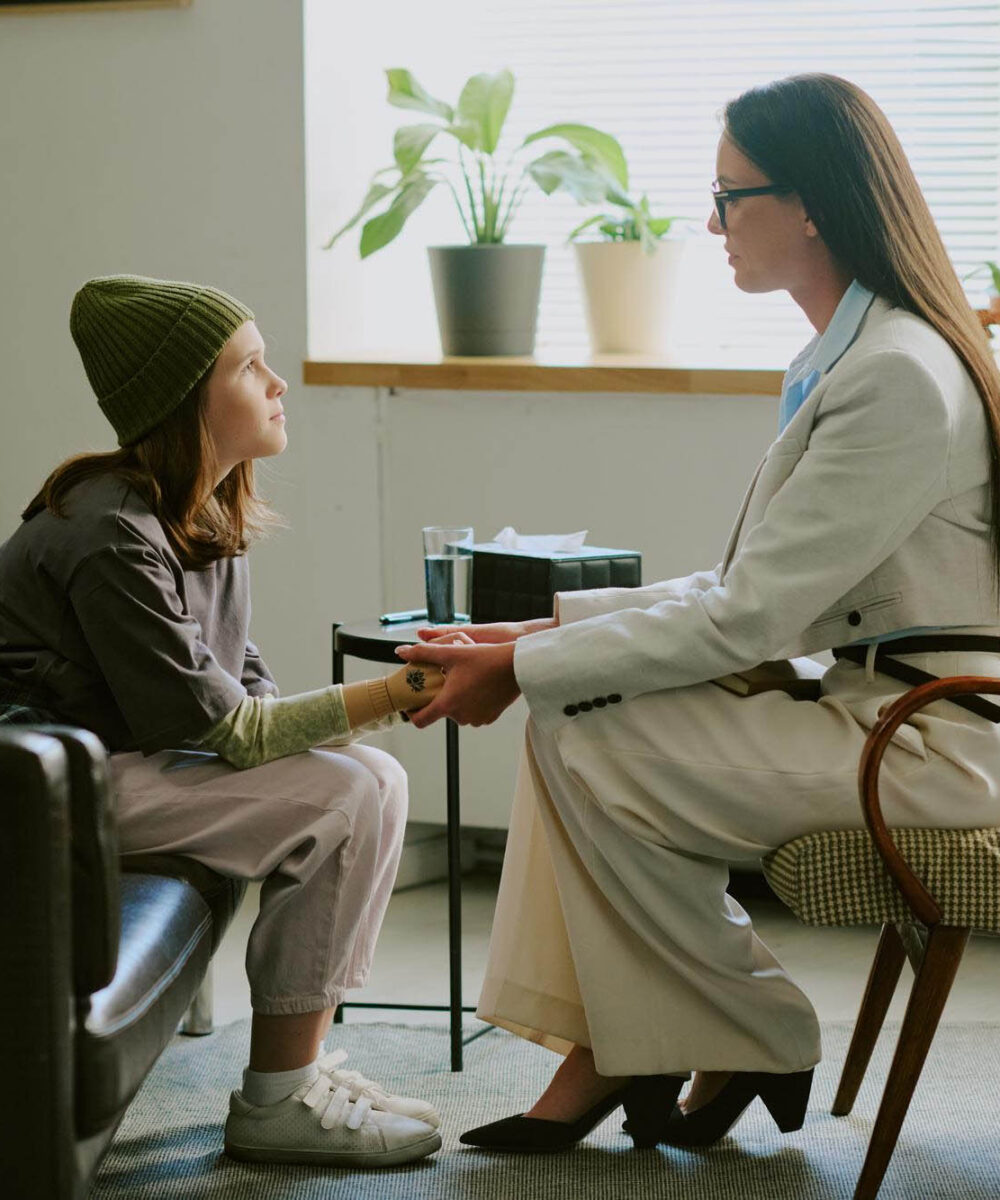
Individual therapy provides private, one-on-one time to work through concerns that need focused attention. Sessions may address depression, anxiety, trauma, substance use, behavioral addictions, relationship concerns, or patterns affecting daily life. Your therapist can use evidence-based approaches such as CBT and DBT based on your needs and treatment goals.
Group therapy brings clients together in a clinician-led setting to build skills and work toward therapeutic goals. Sessions may focus on coping strategies, emotional regulation, communication, relapse prevention, and applying new skills outside treatment. The group setting also provides opportunities to learn from others and practice healthier ways of responding to difficult situations.
Trauma therapy addresses how past experiences continue to affect your emotions, behaviors, relationships, or substance use. Treatment is trauma-informed and paced according to your stability, coping skills, and readiness rather than requiring you to discuss painful experiences before you are prepared. Evidence-based approaches can help you build healthier responses to trauma-related triggers.
Family therapy helps address relationship patterns that may be affecting mental health, substance use, or progress in treatment. Sessions can help loved ones improve communication, establish healthier boundaries, and better understand how to provide useful support. Family involvement is guided by your treatment needs, goals, privacy, and appropriate consent.
RestAura Behavioral Health is about 12 minutes from Downtown Decatur via US-29 and Lawrenceville Highway. The entrance and parking are wheelchair accessible.
Driving Directions from Downtown Decatur:
Our location is also convenient for adults traveling from North Decatur, North Druid Hills, and other DeKalb County communities.
We determine which therapy approaches are appropriate based on your symptoms, treatment goals, daily functioning, relationships, and readiness for different types of therapeutic work. Your plan may include individual, group, family, or trauma therapy when each approach has a clear clinical purpose.
No. You do not need to arrive with a confirmed diagnosis before seeking help. An initial assessment helps clarify your symptoms, functioning, substance use, treatment history, and current concerns so we can recommend appropriate care.
A higher level of care may be appropriate when symptoms continue to disrupt daily functioning despite weekly therapy. We consider symptom severity, stability, treatment response, and support needs when determining whether IOP, PHP, or another level of care is appropriate.
Yes, many clients can continue working while receiving treatment, but the appropriate schedule depends on their clinical needs. We consider symptom severity, stability, work responsibilities, and required treatment intensity when recommending outpatient, IOP, or PHP care.
Yes. When substance use or behavioral addictions occur alongside mental health concerns, we address how the conditions interact rather than treating each in isolation. The treatment plan considers which symptoms and behaviors contribute most to functional impairment, risk, and difficulty maintaining progress.
Get in touch with our caring team of treatment professionals today.
All queries are replied within 24hrs.